

Does Your Face Get Thinner After Wisdom Teeth Removal? Find Out Now!
When you have wisdom teeth removal surgery or even just a wisdom teeth removal, you may be curious: does having wisdom teeth removed alter face shape? It is a natural worry, particularly when you find that your appearance or your face is swollen during the healing process. The good news is that most of the changes that occur to the face after removing the wisdom teeth are just temporary although knowing what to expect can make you sail through the healing process comfortably.
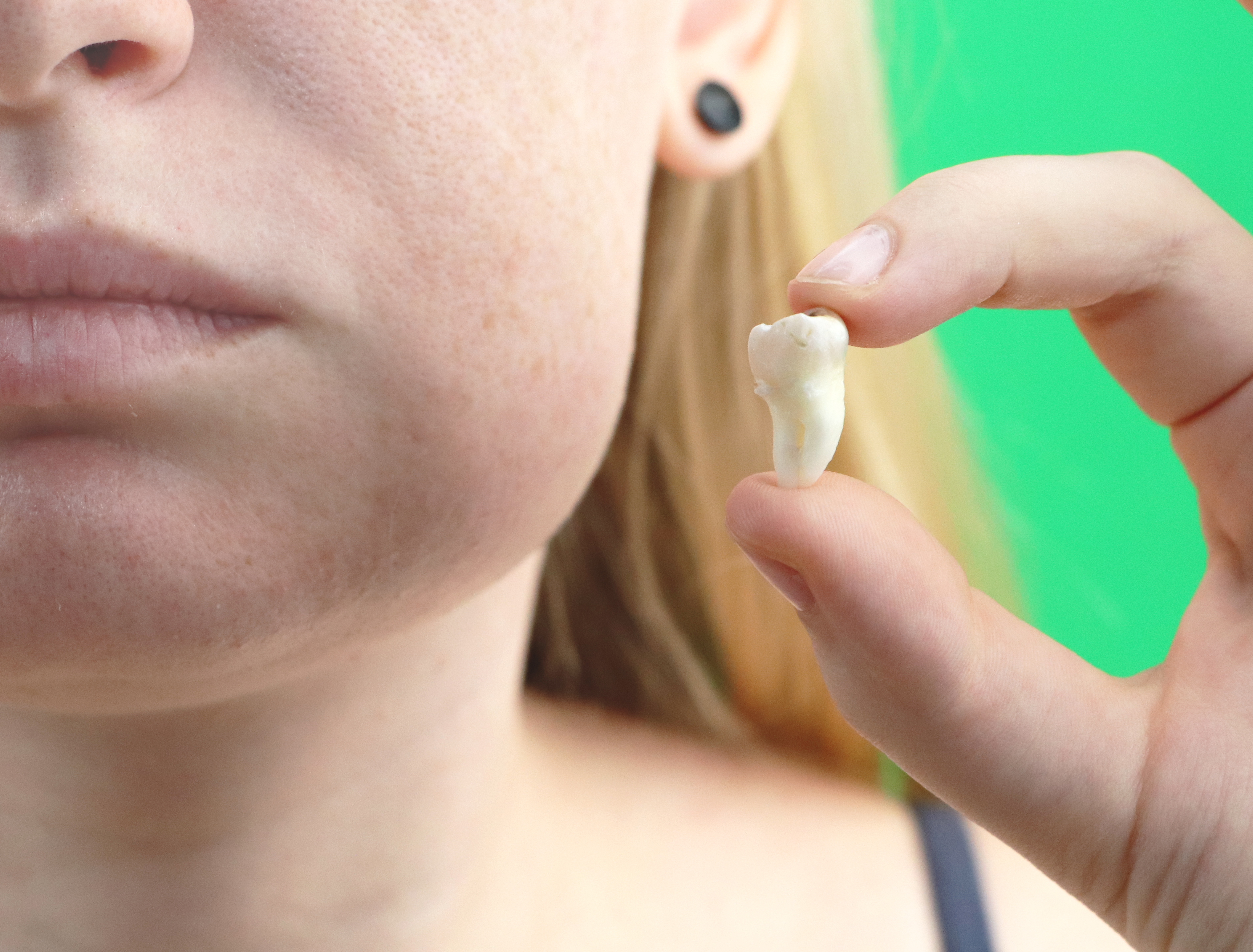
Does Wisdom Teeth Removal Change Face Shape?
The one word answer is that removal of wisdom teeth does not permanently alter your face shape. Nonetheless, the temporary changes are absolutely appropriate in the recovery period. Lots of patients can see that their cheeks are rounder or their cheeks are different as soon as the process is performed, and they start to wonder whether the effects are permanent.
This is usually due to the immense swelling which arises after surgery. Wisdom teeth removal results in trauma to surrounding tissues, which causes an inflammatory reaction of your body. This makes the accumulation of fluid in the cheeks and the jaw, which makes your face to look rounder or puffier than otherwise. It is not a permanent alteration of facial structure but just a temporary response to the surgery.
Extraction could result in minor changes in the facial symmetry in rare instances when wisdom teeth were seriously affected and result in structural complications with your jaw. Nevertheless, your bones and their structure and shape do not change.
Why Your Cheeks Swell After Wisdom Teeth Removal
Knowing the reason behind the swollen cheeks after wisdom teeth extraction can help alleviate worries about the appearance change. The swelling is the defensive action of your body and swellings are normal in the healing process. When your wisdom teeth are pulled out by the oral surgeon, he or she cuts through gum tissue, possibly removing bone and pulling out an immensely deep-rooted tooth in your jaw.
This is an inflammatory response to this surgical trauma. Blood vessels swell, and the fluid flows to the wound to start the healing process. White blood cells come in to inhibit infection and the whole process leads to the typical puffy cheeks which many of the patients develop. The swelling reaches its peak at approximately 48-72 hours of operation.
The degree of swelling can be different in each individual, and it depends on a number of things such as the difficulty of the extraction operation, whether the teeth have been affected, your age, and the personal healing process of your body.
Normal Swelling vs. Infection
Post-operative swelling is normal but it is important to know the difference between post-operative swelling and swelling due to infection. Normal swelling is expected to slowly subside past the third day. Your cheeks may be tight and uncomfortable, but the area should not be too painful or hot to touch.
The symptoms of infection to be aware of are swelling that does not improve after the fourth or fifth day, intense pain that is not relieved by the prescribed medication, high temperatures (over 101 F), the appearance of pus or foul odour at the extraction sites, and swallowing or breathing difficulties.
In case you observe any of these symptoms, then consult your dental professional instantly. The infection needs to be treated using antibiotics to avoid complications.
How Long Does Swelling Last?
Peak swelling in the patient occurs two-three days after wisdom teeth extraction. Thereafter the swelling must gradually subside. At the end of the first week, you will see a great improvement even though small amount of puffiness might still be present but not more than two weeks.
Most patients recover fully (with all swelling being resolved) in 2-3 weeks. With post-operative instructions, you may reduce the period and extent of swelling by following the instructions provided by your dentist.
Before and After Wisdom Teeth Face Change
Before and after face change photos are some of the first things many patients search to determine what changes they can expect. Although the dramatic changes are infrequent, the temporary changes in the recovery process may be startling. Your face might look much rounder immediately following the operation as a result of swelling.
You will notice that in a matter of a few days, when the swelling starts to fade, your normal facial lines will be back. Most of the outer swelling will be clear by the second week and your face will look a lot more like the way it appeared before the surgery. Any minor changes should be fully resolved by a month after surgery.
Can Wisdom Teeth Removal Change the Shape of Your Face?
The question of whether the removal of wisdom teeth can alter your face shape or not should have a subtle answer. Structurally speaking, there is no difference in taking out wisdom teeth as they do not make any difference in your facial bones or a permanent difference in your face shape. The wisdom teeth are positioned on the backside of your jaw and are far away the parts that make the facial contours such as cheekbones and the front of the jaw.
But in case your wisdom teeth were badly affected and your jaw was not fitting properly, then their extraction may enable your jaw to be positioned more naturally. This may give the impression of a minor distortion of facial shape, but this is better termed as a correction than a distortion.
Before and after the dental surgery to extract wisdom teeth, the jawline does not change much after healing. The extraction does not change the shape of your jawbones in a way that will change your profile or the curve of your jaw.
How Long It Takes for Your Face to Go Back to Normal
Understanding the recovery timeline helps set realistic expectations about when your face will return to its normal appearance after wisdom teeth extraction.
Healing Timeline
- Day 1-3: The most considerable swelling is to be expected. Your cheeks and jaw will be tight and uncomfortable.
- Days 4-7: No longer any significant swelling. After a few days, you will begin to feel better, but there is still certain puffiness.
- Weeks 2-3: The majority of noticeable swelling is expected to be eliminated. Slight residual puffiness could be present.
- Weeks 4-6: The face is supposed to go back to normal. Healing of the soft tissue is now to a large extent.
Face & Jawline Recovery Tips
To help your face return to normal as quickly as possible and minimize swelling, follow these evidence-based recovery tips:
- Apply ice packs during the first 48 hours. Use them for 20 minutes on, 20 minutes off to reduce inflammation.
- Keep your head elevated when sleeping or resting. Use extra pillows to prop yourself up, which helps prevent fluid accumulation in your face.
- Take prescribed medications as directed, including anti-inflammatory drugs that help control swelling.
- Follow a soft food diet and avoid hot foods initially. Stick to cool, nutritious options like smoothies, yogurt, and mashed potatoes.
- Avoid strenuous activity for at least a week. Exercise increases blood flow and can worsen swelling.
- Stay hydrated to support your body’s healing processes, but avoid using straws as the suction can dislodge blood clots.
- Use warm compresses after the first 48 hours to encourage circulation and reduce persistent swelling.
When to See a Dentist
Although the majority of recovery goes well, some circumstances need professional intervention. Swelling that does not subside after the third day, or severe pain that cannot be controlled by medication, indications of infection (fever or pus), difficulty breathing or swallowing, excessive bleeding that does not stop with pressure, or other worrying changes in your condition, should prompt you to contact your dentist or oral surgeon.
Our dental clinic offers a full wisdom teeth removal procedure with post-surgery consideration. Our professionally trained team keeps a close eye on your recovery and can be contacted in case of any concerns that occur during recovery.
Conclusion – Do Wisdom Teeth Really Change Your Face?
To directly address the main question: no, wisdom teeth removal does not permanently alter your face shape. The short-lived swelling and facial alterations that come with the healing process are natural healing reactions and can be cured in weeks. The extraction process does not change the underlying bone structure or even the facial contours.
Knowing how to distinguish between a temporary, post-surgery swelling and permanent changes in the face would help reduce the anxiety related to the procedure. The post-operative care instructions can strongly influence the speed at which your face is brought back to normal and the level of comfort with which you will go through the recovery process.
Want to talk about your wisdom teeth removal? Book an appointment in our dental clinic and receive a professional assessment and high-quality treatment that would not only make you feel comfortable but care about your appearance in the process of recovery.