
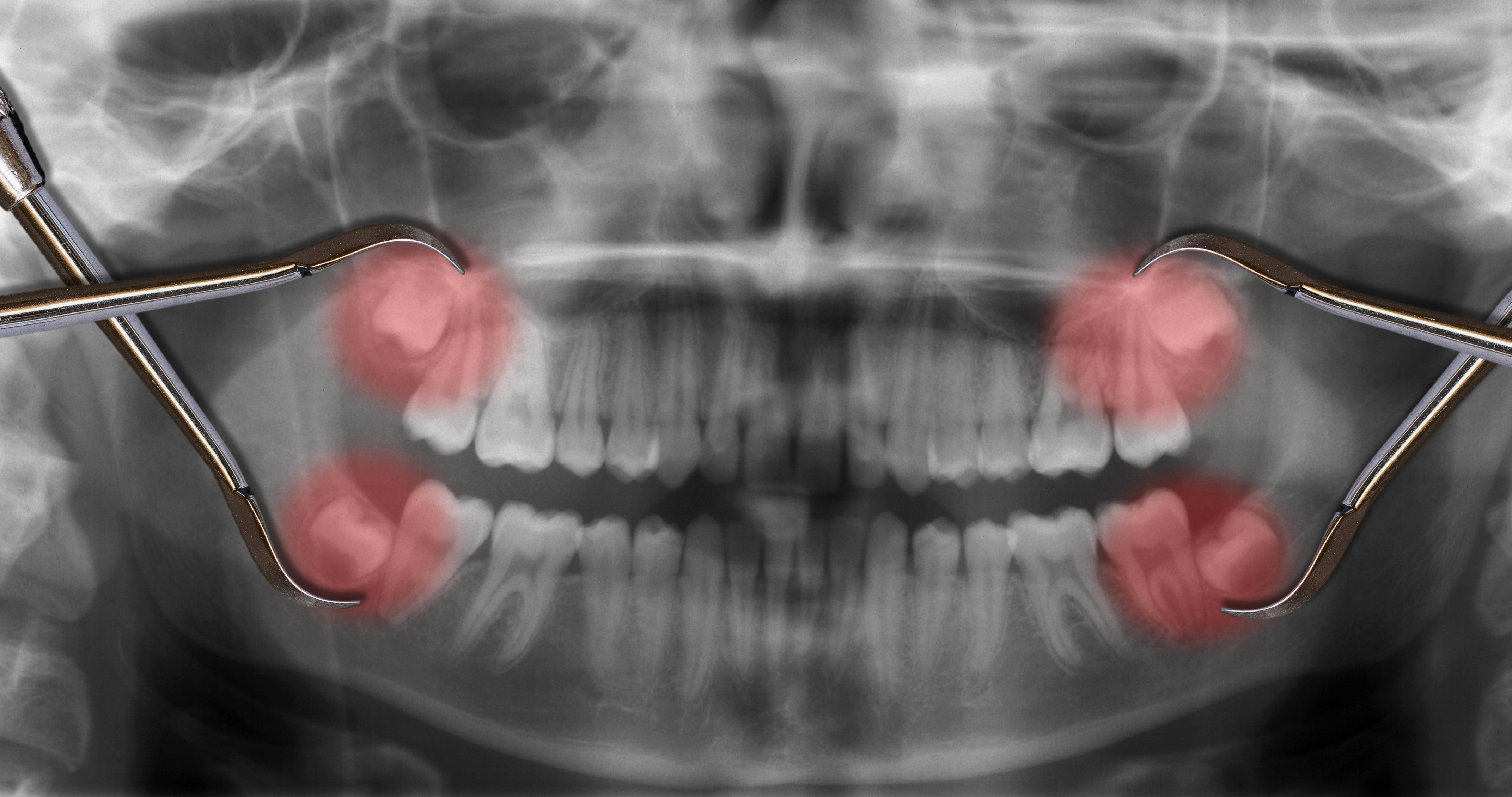
Are Wisdom Teeth Vestigial Organs? Find Out Now!
Have you ever questioned yourself why in late teens or early twenties we grow teeth that most of the times require removal? The third molars are also referred to as wisdom teeth and many people have been left wondering the role these teeth play in the current human body. The question of whether to classify the wisdom teeth as a vestigial organ remains an issue of speculation to both the scientists and dental patients. Knowing the evolutionary history and modern use of these enigmatic molars can empower you to make well-informed choices about your oral health.
Are Wisdom Teeth Vestigial Organs?
Before we can determine whether or not the wisdom teeth are indeed a true example of evolutionary remnants, we should first establish what a vestigial organ actually is. Vestigial organs refer to the body parts that have either lost their entire functionality or lost the major part of the functioning due to the process known as evolution. These are structures that played significant roles in the lives of our ancestors but have been diminished to be of no use as changing lifestyle, dieting and environmental pressures have changed them.
The answer to the question of whether wisdom teeth are vestigial is not a yes or no question. The evolutionary biologists and anthropologists view vestigial wisdom teeth as good examples of structures that have since expired their purpose. These are third molars that were very vital to the survival of our ancestors who ground tough plant food, raw meat and crass food that constituted their diet. Nevertheless, the additional grinding surfaces became unnecessary within much greater degrees as human diets developed and cooking techniques were perfected.
A number of reasons indicate that wisdom teeth could be vestigial. Human jaws have been gradually shrinking throughout the course of thousands of years of evolution, but we continue forming an equal number of teeth as our predecessors. This imbalance may lead to affected wisdom teeth that are unable to come out through the gums in a proper manner. Furthermore, some individuals are not born with wisdom teeth whatsoever implying that these teeth have lost survival and use value. It has been shown that one in every three or four people is born without one or more of the wisdom teeth, another reason to suggest that they can be evolutionary remnants but not essential structures.
Evolutionary background of wisdom teeth is dating back several million years back to the times when our early human beings had larger jaws and mainly used raw and fibrous foods. Such food needs required strong grinding teeth at the back of the mouth. With the invention of agriculture, cooking methods and food processing techniques, our food requirements transformed drastically as human beings developed. Softened processed food became meal staples, and our mechanical requirements of the teeth and of the jaws were lessened. This is an evolutionary change which has made a number of researchers group wisdom teeth with other vestigial of the human body.
Why Do Humans Have Wisdom Teeth?
What Is the Function of Wisdom Teeth in the Past?
The presence of the wisdom teeth in the pre-historic was paramount to survival. The primitive man had voluminous and heavier jaws with a capacity to hold 32 teeth conveniently. These extra molars were necessary grinding surfaces to work tough fibrous food that was the staple in the prehistoric diets. Raw vegetables, uncooked meat, roots, nuts and bark demanded a considerable amount of chewing.
Evidence of archaeological data indicates that our predecessors had a lot of tooth wear during their lifetime. The role of the wisdom teeth became especially significant when other molars either became worn out or lost. In essence, the wisdom teeth were used as replacement grinding surfaces that developed during late adolescence when the jaw development was fully achieved.
Do Wisdom Teeth Have a Purpose Today?
The role of the wisdom teeth in modern human beings is much less evident. These third molars served to perform this original role only to a certain extent as the modern diet, food preparation methods, and dental care eradicated the need to use them in the same way. The vast majority of individuals eat soft and processed food that needs less chewing.
There are researchers, however, who believe that wisdom teeth are not quite useless. When correctly erupted and aligned, wisdom teeth may have a purpose in chewing and spread biting forces. The role of wisdom teeth in the modern world is most likely to vary depending on the situation.
Why Do People Get Wisdom Teeth Removed?
The answers to why do people get wisdom teeth removed are found in the preventive and reactive forms of dental care. Although the question of whether wisdom teeth are vestigial may be subject to debate, the fact that they have a tendency of creating problems is well-documented.
Impaction is the most prevalent cause of extraction and it happens when these teeth are unable to fully erupt because there is a lack of space in the jaw. Impacted wisdom teeth may develop at the different angles and squeeze against the neighbouring molars leading to pain, crowding and possible damage.
Wisdom teeth partially erupted provide the perfect conditions of bacteria growth and infection. Food particles may get stuck inside the partially erupted tooth covered by a flap of gum tissue; this may result in pericoronitis. This infection leads to the swelling, pain and problems in opening the mouth.
Can wisdom teeth cause of sore throats? Yes, absolutely. Sore throats may be caused by infected/inflamed wisdom teeth, particularly the lower wisdom teeth. These teeth are close to the throat and as such the infections and inflammations may extend to other tissues near the throat leading to throat pain, trouble in swallowing, and swollen lymph nodes.
The other severe complication is the formation of cysts. In cases where the wisdom teeth are not removed out of the jawbone, fluid-filled sacs may grow around the crown of the tooth, which may cause damage to the jawbone, to the teeth themselves, and to nerves.
Wisdom Teeth Removal Cost in Melbourne & Australia
The price of teeth extraction, i.e., wisdom teeth removal, can differ greatly based on a number of variables such as the difficulty of the extraction, the quantity of teeth to be extracted, the kind of sedation necessary, and whether a general dentist or an oral surgeon has been involved. Knowing these cost variables assists a patient to make proper plans and to seek out available choices.
In Melbourne and all of Australia, wisdom teeth removal cost may vary significantly between basic extractions and surgery. Extraction of fully erupted teeth done under local anesthesia is usually cheaper whereas surgical extraction done on impacted tooth or complex cases are normally associated with high costs. Many dental practices provide package rates, which can be utilized to save money when more than one wisdom tooth needs to be extracted during one visit.
When it comes to finding cheap wisdom teeth removal or affordable wisdom teeth removal options, a number of different strategies can be employed to help with the costs. Wisdom tooth extraction services are commonly offered in dental schools at low prices by students on supervision which saves a lot of money to the private practice cost. These pedagogical clinics are characterized by high levels of care and also offer less expensive alternatives to patients in terms of removing wisdom teeth, especially when they have healthcare concession cards or special financial situations. Nevertheless, waiting time at the public clinics may be substantial and one should also consider the idea of planning in advance in case you decide to use this path towards inexpensive teeth pulling services.
The issue of private health insurance can greatly influence the out of pocket expenses and it is worth investigating the possibilities of coverage since you can always plan before the date when the procedure will be performed. Comparing quotations of various providers is quite a common practice among many patients to find an affordable way to remove the wisdom teeth without lapsing on quality care.
Does Medicare Cover Wisdom Teeth Removal?
Is wisdom teeth removal covered by Medicare? Regrettably, dental procedures such as wisdom tooth extraction are not covered by the standard Medicare in Australia. Does Medicare cover the removal of the wisdom teeth? Usually, no dental services are not part of Medicare coverage parameters.
But does Medibank cover wisdom teeth removal? Dental care can be provided by private health insurance cover that will likely give rebates on wisdom tooth extraction. The coverage will be determined by your respective policy and waiting times.
Can Carrum Downs Dental Care Help?
To the residents of southeastern Melbourne, the Carrum Downs Dental Clinic offers extensive wisdom tooth analysis and removal services. The dental practice is situated in Carrum Downs and provides the consultation to assess the wisdom tooth placement, discuss treatment plan and offer clear prices.
Are Wisdom Teeth Still Needed?
In terms of pure functionality, majority of the population in the developed world does not require wisdom teeth to sustain a good chewing capacity. The ability to perform powerful grinding as was done by wisdom teeth is no longer required in modern food processing, cooking methods, and dietary diversity.
Nevertheless, the fact that most humans still develop wisdom teeth even after losing their biological significance implies that these structures have some biological program.
Do Some People Not Have Wisdom Teeth?
The evolution and genetics are interesting in the development of the wisdom teeth. Research indicates that about 35% of individuals are born with no or few wisdom teeth, a condition referred to as hypodontia.
This difference seems to have a genetic factor, as the absence of wisdom teeth has a family history and displays varying prevalence among ethnicity. There are populations that are more likely to have complete absence of wisdom teeth especially of the Asian origin.
The tendency towards the absence of wisdom teeth helps to interpret these teeth as vestigial features, which are slowly removed as a result of evolution.
Final Thoughts – Are Wisdom Teeth Truly Vestigial?
The evolutionary significance of wisdom teeth in human history cannot be disputed. These third molars played very vital roles in the life of our ancestors as they helped them to eat tough fibrous foods that were necessary to survive. Nevertheless, the radical shifts in human diets, lifestyles and the shape of their jaws have diminished the functional need of wisdom teeth.
Although it is still up to debate amongst scientists as to whether these organs should be considered as truly vestigial, the evidence is overwhelming that these teeth are evolutionary vestiges that have lost much of their modern-day use. This interpretation is supported by the fact that they are commonly removed, a significant percentage of the population is born without them, and they are regularly associated with complications.
The circumstances vary based on personal situations. Not all of them need to be extracted, and properly emerged teeth extraction may be functional. Nevertheless, frequent dental check-up is necessary to detect possible problems in the initial stages.
FAQs
Are wisdom teeth vestigial organs?
The wisdom teeth are commonly thought of as vestigial organs which have lost most of their ancient roles in the contemporary human being. Although they had significant grinding functions to our ancestors who ate raw and tough food, the dietary and jaw size developments have decreased their need. Nevertheless, there is some controversy regarding whether they are entirely vestigial as they may still work when correctly aligned.
What is the purpose of wisdom teeth today?
In modern humans, the wisdom teeth no longer serve as useful as they were during the early years. When they are properly set and formed, they may aid in chewing. Nevertheless, to a large portion of the population, the wisdom teeth bring more problems than benefit since they are unable to fit in the proper space of the jaw, so their current purpose is uncertain.
Does Medicare cover wisdom teeth extraction?
Dental practices such as wisdom tooth extraction are not covered by standard Medicare in Australia. Nonetheless, dental coverage in a private health insurance can offer rebates based on your particular policy. Patients need to enquire their insurance company regarding coverage and waiting times.
Why do people get wisdom teeth removed?
Wisdom teeth are extracted because of several reasons such as impaction, infection, pain, crowding with other teeth, formation of cysts, decay and gum disease. Partially erupted wisdom teeth may trap bacteria and lead to infections, whereas affected teeth might harm other molars or result in alignment problems.
Can wisdom teeth cause sore throats?
Yes, wisdom teeth are known to lead to sore throats especially when they are infected or inflamed. Poorly positioned wisdom teeth are also very close to the throat thus the infection can spread to the tissues around the throat resulting in the pain of the throat, difficulty in swallowing and presence of swollen lymph nodes.