
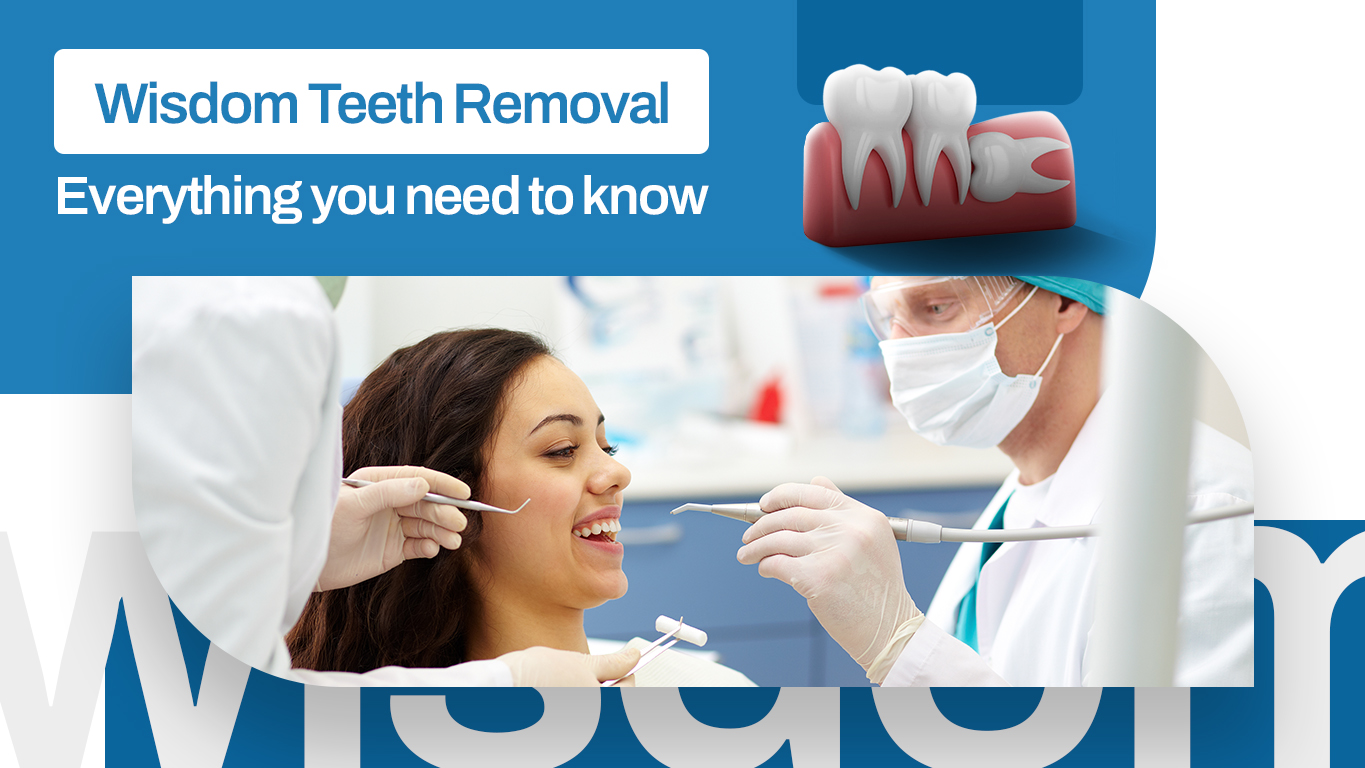
Wisdom Teeth Removal: Everything You Need to Know
Wisdom teeth, also known as third molars, are the last set of teeth to emerge in your mouth, typically appearing between the ages of 17 and 25. While some people never experience issues with their wisdom teeth extraction, many others require removal due to various complications. Understanding the process, symptoms, and aftercare can help you make informed decisions about your oral health.
The Development Timeline
Wisdom teeth don’t appear overnight. Their development is a gradual process that spans several years. At age 12, the wisdom teeth are just beginning to form deep within the jawbone.
By 14 years old, they become more visible on X-rays as they continue developing. At 17 years, the teeth are nearly fully formed but may not have erupted through the gums yet. Finally, by age 25, most wisdom teeth have either fully emerged or have been identified as problematic and requiring removal.
Interestingly, not everyone develops wisdom teeth. Approximately 35% of the population never develops any wisdom teeth at all, which is considered a genetic variation that has become more common in modern humans as our diets have evolved and our jaws have become smaller.
When Wisdom Teeth Become Problematic
Several issues can arise when wisdom teeth attempt to emerge, particularly when there isn’t sufficient space in the mouth.Impacted wisdom teeth occur when these molars cannot fully erupt through the gums due to lack of space or improper positioning. Research indicates that about 5% of wisdom tooth impactions can damage the roots of adjacent teeth, making removal necessary to prevent further complications.
Recognizing the Symptoms
If you’re experiencing wisdom teeth problems, you may notice several uncomfortable symptoms. Earaches are common due to the proximity of wisdom teeth to nerve pathways.
Many people also experience a persistent bad taste in their mouth or bad breath that doesn’t improve with regular brushing and flossing. Swollen glands, particularly in the neck and jaw area, often accompany wisdom teeth issues.
More localized symptoms include ulcers on the cheek where the emerging tooth may be rubbing against soft tissue, causing irritation and pain. General pain and swelling around the back of the mouth are also telltale signs that your wisdom teeth may be causing problems.
These symptoms can range from mild discomfort to severe pain that interferes with daily activities like eating and speaking.
The Removal Process
When wisdom teeth removal treatment becomes necessary, the procedure is typically performed by an oral surgeon or experienced dentist. The complexity of the extraction depends on factors such as the tooth’s position, development stage, and whether it has fully erupted or remains impacted beneath the gum line.
Local anesthesia is standard for most wisdom teeth extractions, though sedation options are available for more complex cases or anxious patients. The procedure itself usually takes 30-60 minutes, depending on the number of teeth being removed and their complexity.
Post-Operative Care: The Road to Recovery
Proper aftercare is crucial for a smooth recovery following wisdom teeth removal. Planning is essential – schedule your procedure on a day when you can rest and recover without work or school obligations. Taking time off allows your body to heal properly and reduces the risk of complications.
Diet plays a vital role in recovery. Stock up on soft, easy-to-consume foods before your procedure. Excellent options include apple sauce, chicken noodle soup, milk, soft fruits like bananas, yogurt, and smoothies. These foods provide necessary nutrients without requiring extensive chewing that could disrupt the healing process.
If your dentist prescribes antibiotics following the procedure, take them exactly as instructed. These medications help prevent infection and To speed up wisdom teeth recovery. Don’t skip doses or stop taking them early, even if you feel better.
One crucial piece of advice:
Avoid spitting frequently after surgery. While it’s natural to want to clear blood from your mouth, excessive spitting creates tension in the oral cavity that can dislodge blood clots and slow the healing process. Instead, let saliva and any blood drain naturally, or gently dab your mouth with gauze.
Bottom Line:
Wisdom teeth removal is a common procedure that can significantly improve your oral health and comfort when problems arise. Understanding the signs and symptoms, as well as proper aftercare, helps ensure the best possible outcome.
If you’re experiencing wisdom teeth extraction discomfort or need professional evaluation, consider consulting with Carrum Downs Dental Group. Located at Shop T5, 100 Hall Road, Carrum Downs VIC 3201.
Our doctor’s team can assess your situation and provide personalized treatment recommendations. Contact us at 03 – 9782 1200 to schedule a consultation and take the first step toward better oral health.