
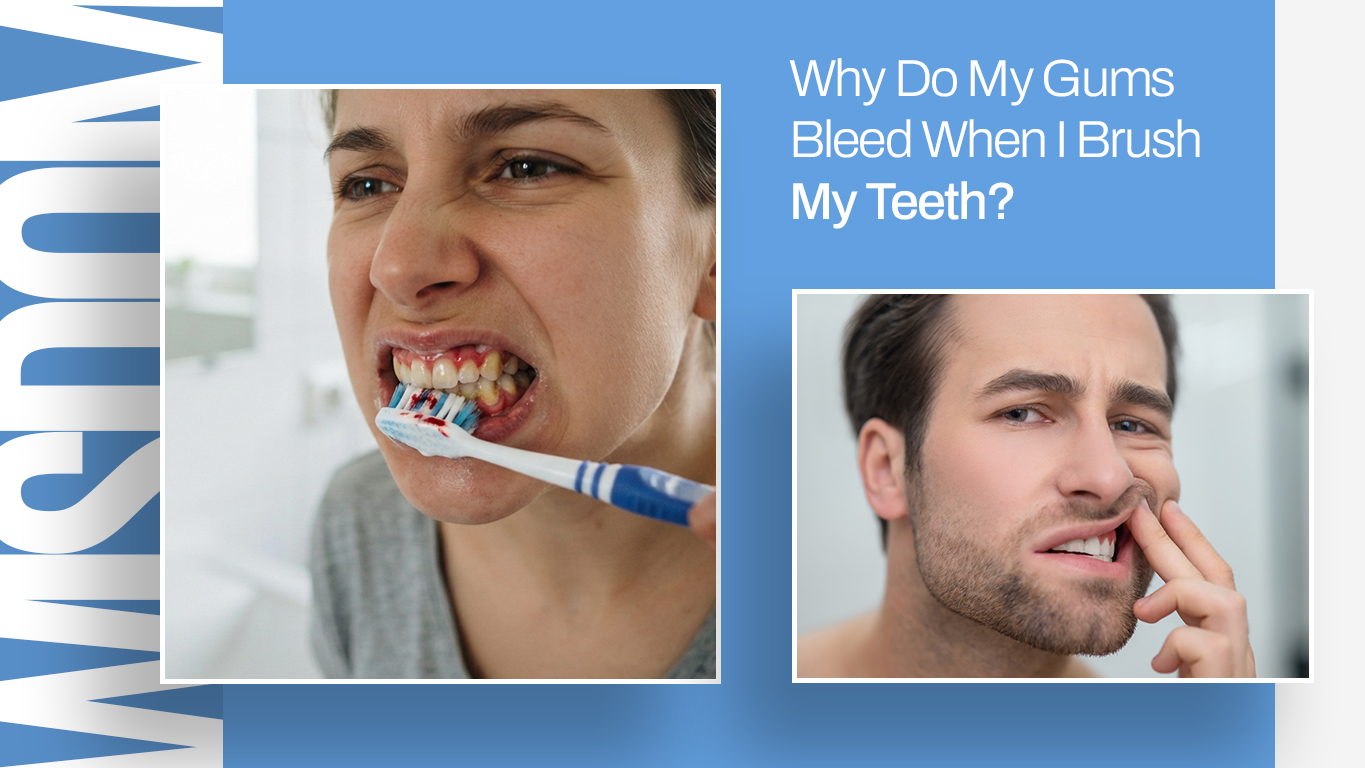
Why Do My Gums Bleed When I Brush My Teeth?
A pink tinge in the sink after brushing can be alarming. Everyone has asked themselves at some point, “Why do my gums bleed when I brush my teeth?” One of the most common complaints is bleeding gums when brushing; however, it is also one of the most common problems that are overlooked. It might seem unimportant but when gums bleed, it is not something to be taken lightly. They may be a first indicator that a serious problem is present that if not corrected could result in tooth loss and other health issues.
The Primary Culprit – Gum Disease
Receding gums are frequently associated with bleeding gums during brushing, which is an early sign of gum recession (gingivitis). This is caused by inflammation when a gluey film of germs (plaque) forms under the gum line. Consequently, the gums become tender, swollen, red and bleed easily while brushing and flossing.
The positive news, however, is that gingivitis can be treated. However, gums can be restored to good health with regular oral hygiene and professional cleanings. If not treated, however, gingivitis can become a more serious gum problem called periodontitis, which is a deeper infection that affects the bone and tissue surrounding the teeth and slowly destroys them.
Other Bleeding Gums Causes
The most common cause of gum disease, but there are a number of reasons why gums can bleed. There are a few other things that could be the reason for you to have a bleeding gum:
1. Brushing Too Hard
A hard bristle toothbrush or excessive force will damage sensitive gum tissue. Many people think brushing more will brush away more, but this is not the case. The gums become irritated from the aggressive brushing and bleed, and over time, the enamel is removed.
2. Incorrect Flossing Technique
Bleeding is normal for the first week or two after you start flossing again — or if you are flossing for the first time or flossing with hard pulls, it is okay. Bleeding while flossing, on the other hand, is a cause of concern as it indicates inflamed gums, and should be seen by a dentist.
3. Medications
Some medicines, especially blood thinners such as aspirin or warfarin, can make you bleed more easily. Talk to a doctor and dentist if one has recently begun taking a new prescription and noticed that gums bleed more.
4. Hormonal Changes
Hormones and their changes throughout pregnancy, menstruation, puberty or menopause cause gums to become more sensitive and prone to bleeding. A recognised form of gingivitis, “pregnancy gingivitis” is caused by an over-sensitivity to plaque by the gums because of increasing hormone levels.
5. Nutritional Deficiencies
Bleeding gums can be caused by a deficiency in Vitamin C or Vitamin K. Vitamin C is a necessary ingredient for the production of collagen and the repair of tissues while Vitamin K is very important for blood clotting. The poor diet can make your gums loose and sensitive, making them bleed easily.
6. Smoking
Another major risk factor for gum disease is tobacco use because smoking decreases blood flow to the gums, making it hard to see initial gum disease signs. Smokers may not notice as much bleeding, even though they have worse gum disease — so it is even more important to have regular visits to the dentist.
7. Ill-Fitting Dental Appliances
Sores on the gums, which are caused by ill-fitting dentures, retainers or other dentistry devices may rub against the gums and irritate them in the long run causing bleeding. In case it does not fit as you would like, request your dentist to make an adjustment.
Why Is My Gum Bleeding? When to Seek Help
Sometimes, a little and a bit of bleeding after switching your brushing habits isn’t something to worry about. However, if you experience any of the following, see a dentist immediately:
- Your gums bleed when you brush or floss
- Heavy bleeding or it does not stop in a few minutes
- Your gums are swollen, red, or are receding from the teeth
- You have persistent bad breath
- You have loose or sensitive teeth
- You notice pus around your gum line
These are indicators that a deeper issue is at play. The sooner the intervention, the better.
How to stop bleeding gums at home?
Want to take steps to avoid bleeding gums until you go to the dentist? Here are some measures you can take today:
- Use a soft-brushed toothbrush — Soft bristles effectively clean without harming gum tissue.
- Brush at a 45-degree angle to gum line, using soft circular motions. Brush twice a day for a complete two minutes.
- Floss daily and gently — Wind floss between teeth like a c (gentle motion, not a snap).
- Take an antibacterial mouthwash – Chlorhexidine or fluoride-based mouthwashes can help to reduce plaque and inflammation.
- Don’t smoke — Smoking can have a significant effect on how healthy your gums are.
- Manage stress — If stress is a persistent condition, it makes your body less able to fight gum disease.
These will help to reduce bleeding and swelling, but it won’t take the place of any dental treatment.
A link between gum health and overall health
The link between oral and systemic health is continually being strengthened. Individuals with chronic gum disease have been identified to be at greater risk of heart disease, diabetes, stroke and respiratory diseases. Bacteria from infected gums can get into the bloodstream and cause inflammation in the body. The health of your gums is not only about your smile, it’s about your overall health.
Bottom Line
If your gums bleed when you brush, it’s a red flag that your body is letting you know, it needs something done. It could be from gingivitis, brushing habits, medication or diet, the answer is to understand the problem. DO NOT wait for things to get worse.
When you have a problem with bleeding gums, or have been experiencing bleeding of the gums, in Melbourne, our qualified dentist in Melbourne will assist you. Our dentist will conduct a thorough gum assessment, cleanings and develop a tailored treatment plan to work towards ensuring that your gums are healthy and that you keep your smile. Call our dentist in Melbourne today – healthy gums mean a healthy life.